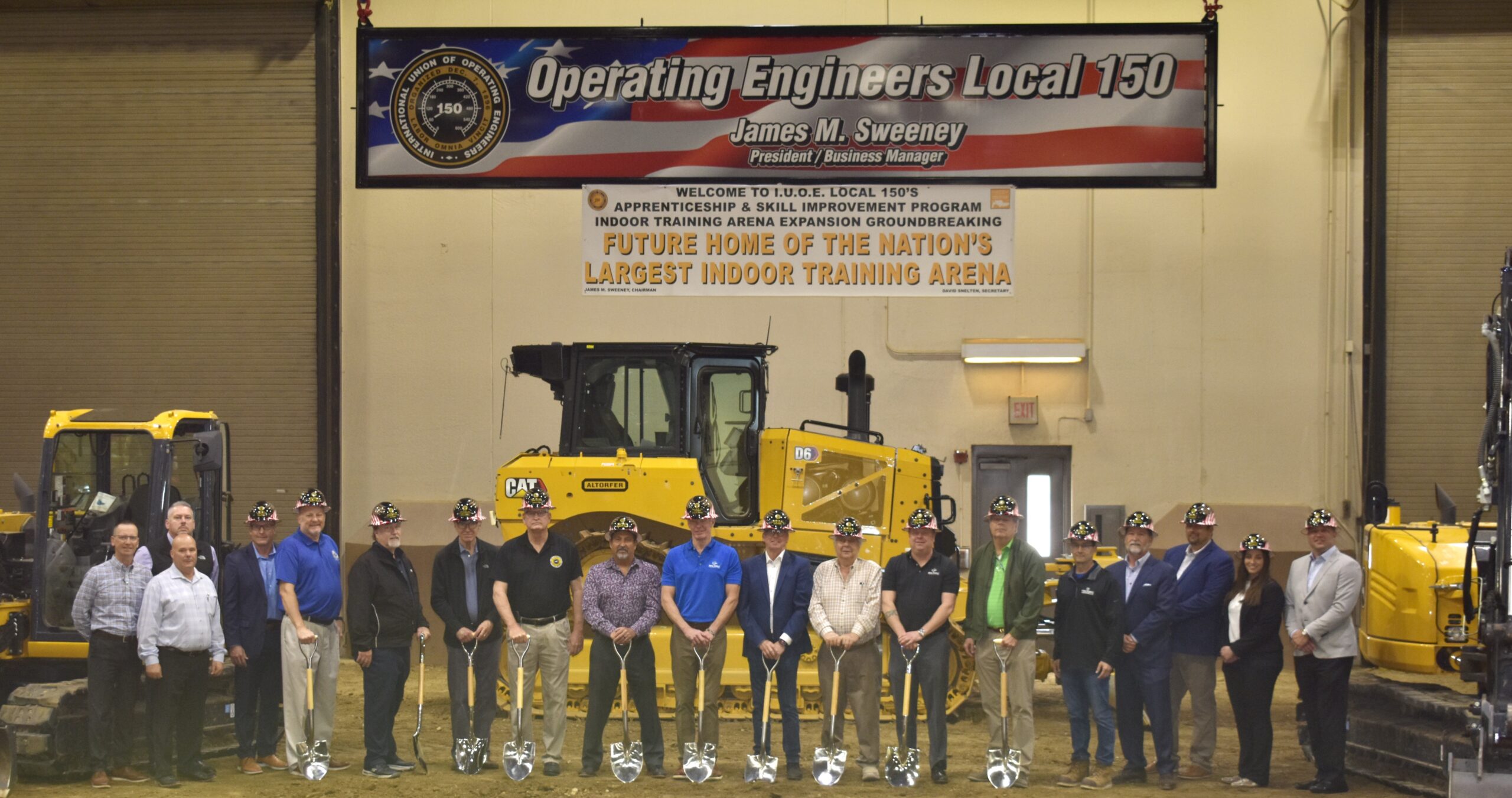
May 7, 2024 – Groundbreaking Ceremony
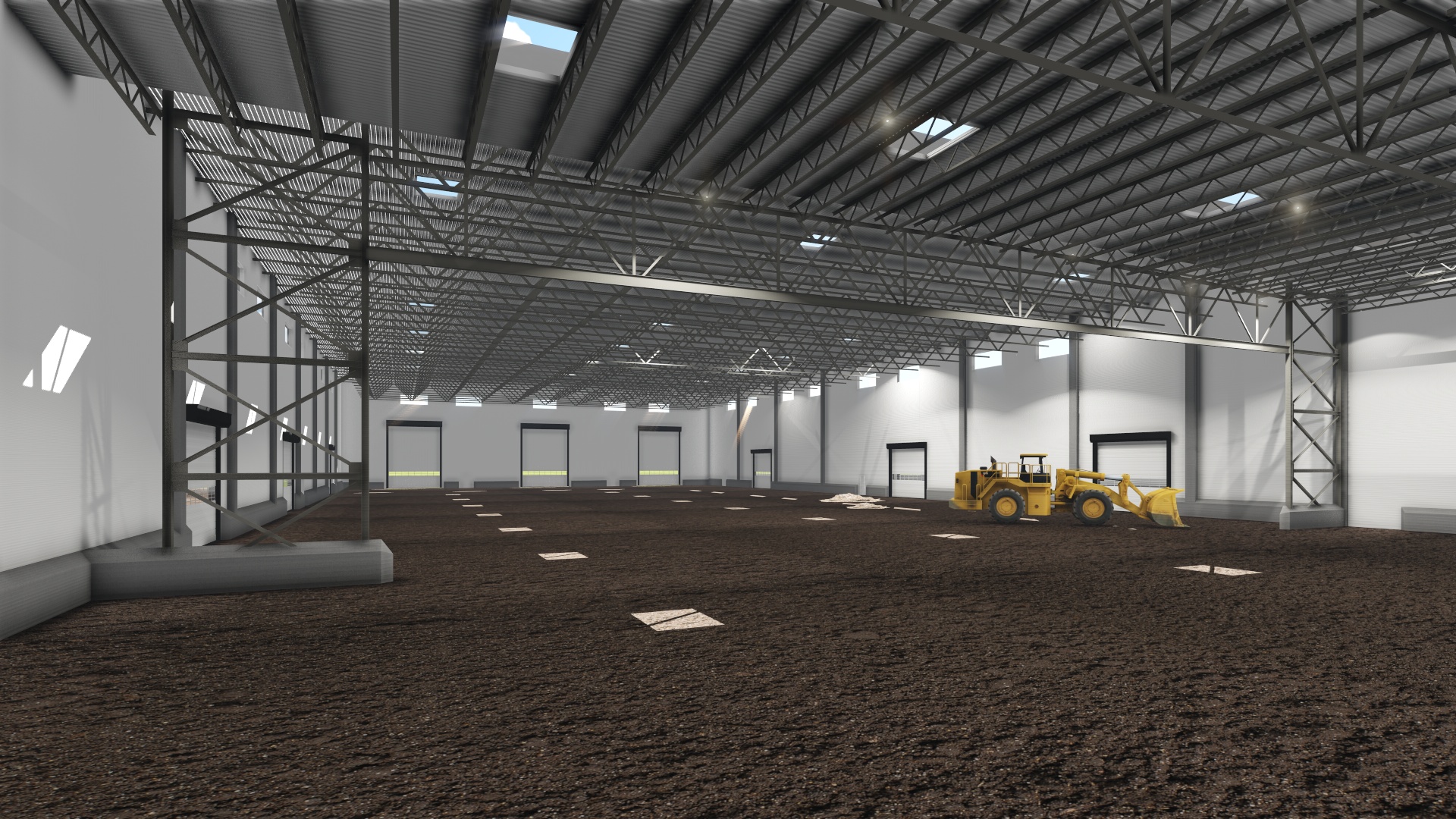
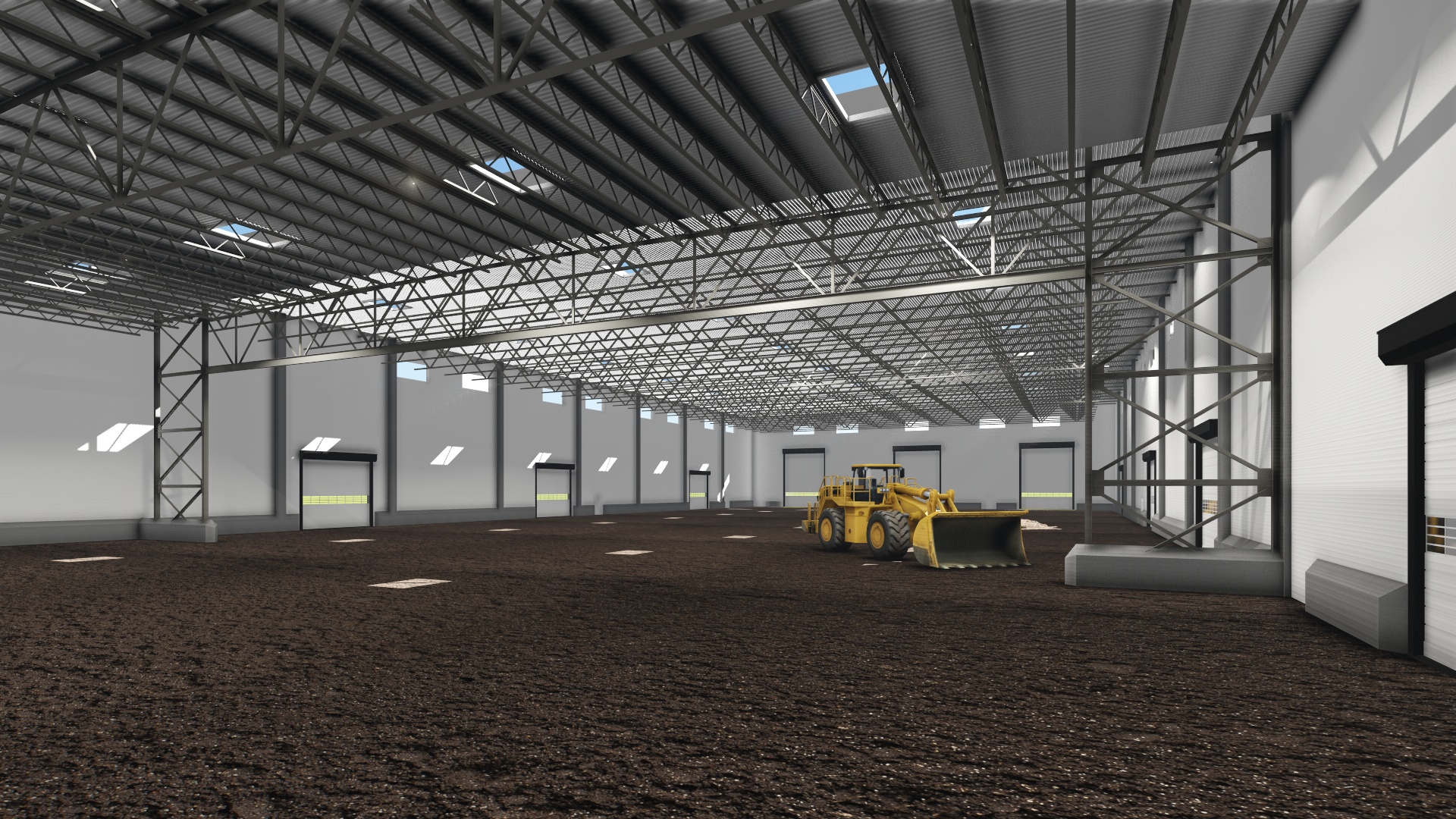
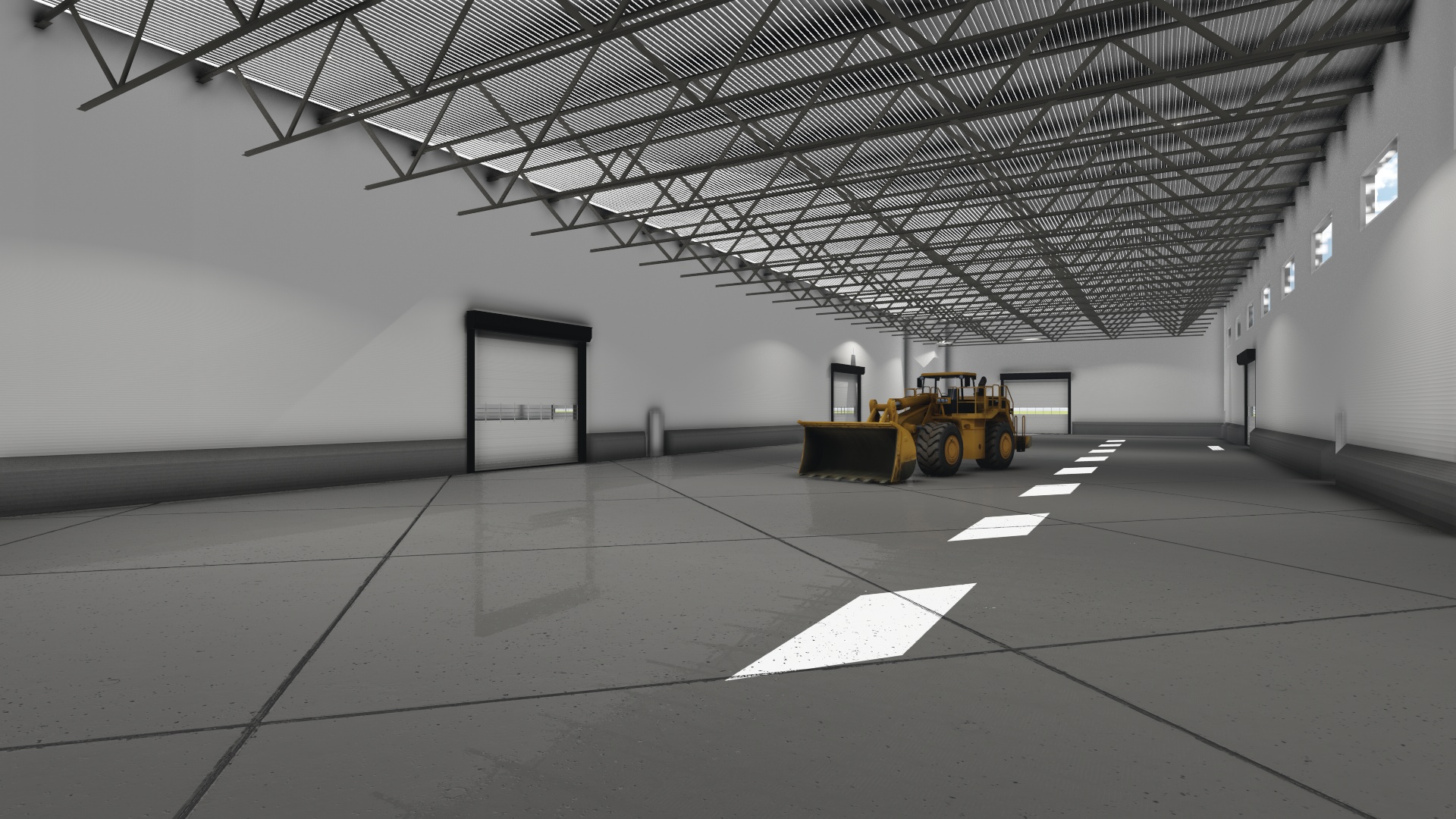
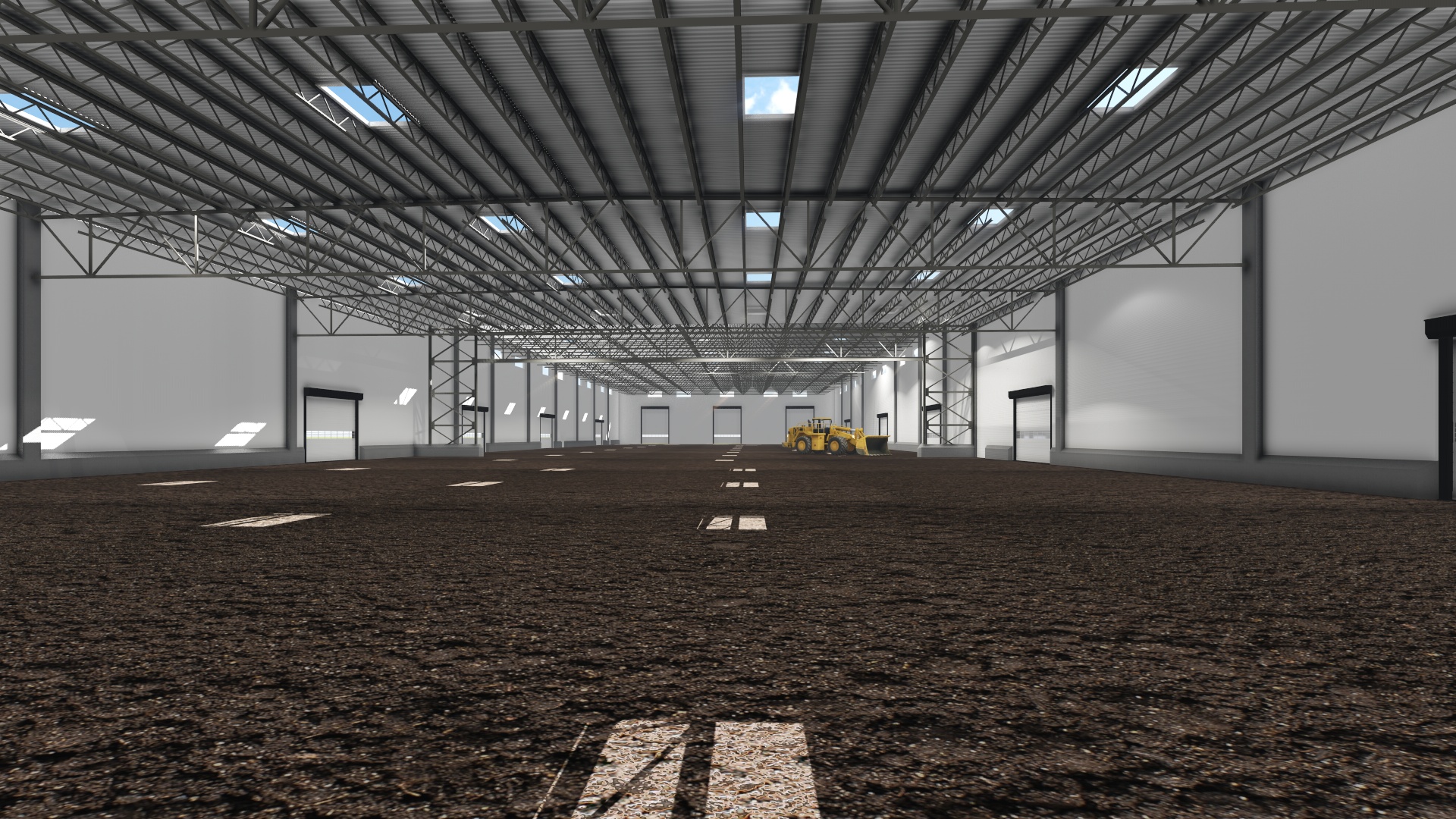
On May 7th, 2024, Local 150 members and friends joined for the groundbreaking ceremony of the William E. Dugan Training Center indoor arena expansion! These members and friends were a part of history, as this expansion project will make the largest indoor training arena in the nation!
The Local 150 Apprenticeship Program
The William E. Dugan Training Center in Wilmington, Illinois, is one of the Crown Jewels of Local 150. Opened in 2007, it is where hundreds of apprentices have learned the Operating Engineers’ craft, and thousands of members have honed their skills. Recognized as one of the finest training centers in the United States, it is rivaled by few and envied by all.
Operating, maintaining, and repairing heavy construction equipment is one of the construction industry crafts created by technology. As the original name of our Union suggests, the National Union of Steam Engineers (“NUSE”) emerged from the harnessing of steam to power equipment. As technology of heavy equipment evolved, it was not long before Operating Engineers claimed all equipment including that fueled by gasoline, electricity, or anything else “regardless of motive power.” The name-change to International Union of Operating Engineers (“IUOE”) in 1927 reflected the evolution.
Obviously, keeping up with the rapid evolution of heavy equipment technology has been essential to the continued growth of our Union and the prosperity of its members. The historian of the Operating Engineers, Professor Garth Mangum, explains that the idea of apprenticeship training was controversial at first, as Engineer members were concerned they would lose work to less experienced hands. But by 1912, it became apparent that individuals with the capacity to learn the work would do so one way or another, and the International Convention adopted an amendment to the Constitution to allow for apprentice Engineers.
In 1937, Congress passed the National Apprenticeship Act, authorizing the Secretary of Labor to “formulate and promote the furtherance of labor standards necessary to safeguard the welfare of apprentices.” It was not until 1959 that local unions began experimenting with formal apprenticeship programs. That same year, the U.S. Department of Labor, Bureau of Apprenticeship and Training, issued a report titled, “Manpower Requirements and Training Needs in Construction Occupations, 1960-1970.” It predicted that U.S. Industry would need to train an additional 236,000 construction Operating Engineers by 1970 to supplement and replace the existing workforce of 225,000. The few apprenticeship programs existing at that time could only be expected to supply 1,000 Engineers.
What ensued was an explosion of union apprenticeship programs. On June 1, 1967, Local 150 and its signatory employers established the Operating Engineers Local 150 Apprenticeship Fund. Local 150 registered its Apprenticeship program with the U.S. Department of Labor’s Office of Apprenticeship on March 18, 1969, and began accepting applications later that year. In its Heavy, Highway & Underground and Building Construction Agreements negotiated in 1970, Local 150 added an employer contribution of two cents ($0.02) per hour for the apprenticeship program.
By August 1970, Local 150 was sending District 1 apprentices to Washburn trade school in Chicago for classroom training, while District 7 apprentices went to the Gary Area Technical Vocational School. Field training was “in the works,” and the Local 150 Engineer reported there were “about 100 indentured apprentices working in our jurisdiction.” The program operated out of the Union’s former offices near Midway Airport at 5440 South Cicero Avenue in Chicago. It was managed by “Co-ordinator” Omar Daniels and his assistant, Charles A. Brenner.
By 1973, President-Business Manager Bill Martin reported a total of 724 indentured apprentices in all seven districts, taking classes and field training in the Skill Improvement and Apprenticeship Program. By August of that year, 51 apprentices had graduated and become journeymen.
On October 1, 1974, the classroom training was transferred to the Countryside campus where the Apprenticeship Fund had built its own building. In his Annual Report to the membership in February 1975, Bill Martin also said:
At the same time, a pole type building is being constructed at the program’s main training facility in the Lockport-Plainfield area, which building will house the Program’s repair and workshop operation.
In his Annual Report in August 1975, Martin added that the “Apprenticeship and Skill Improvement Program” had acquired “twelve new pieces of equipment, including two Dynahoes, two High/Lifts, two Dozers, four Paddle Wheel Scrapers, and two combination Front End Loader Backhoes.” The equipment would be located at the Lockport-Plainfield site, where journeymen and apprentices from Districts 1 and 2 could use it and then the equipment was rotated to other Districts for remote training. The Notice on the front page of the August 1975 Local 150 Engineer is reprinted alongside this article.
In March 1974, the Apprenticeship Fund took possession of approximately 106 acres of land owned by Material Service Corp. on Lockport Road in Plainfield, Illinois. Under a sale/purchase agreement, the Apprenticeship Fund purchased the property in January 1977 for $250,000.00 (about $2,350.00 per acre). The land was eventually annexed by the Village of Romeoville, and Lockport Road was renamed Airport Road. Local 150 owned several parcels fronting Weber Road.
The Lockport-Plainfield facility served the program well for many years, but the program eventually outgrew that facility. As the farm fields nearby became developed, residents on neighboring properties would ask instructors over the fence, “When are you guys going to be done with this project?” By the end of the 1990s, it became clear we had outgrown the 106-acre facility off Airport Road, and the Union began looking for a new site.
In 2001, the Apprenticeship Fund commissioned a review of the Romeoville facility to determine whether it could expand it. At that time, the property was appraised at $2.4 million (about $25,000.00 per acre).
On October 23, 2003, the International Union of Operating Engineers Local 150 Building Corp. purchased “approximately 300 acres” of land from the Joliet Arsenal Development Authority (“JADA”) for $2.6 million, approximately $8,667.00 per acre. JADA was the entity established by the State of Illinois to disperse and develop about one-third of the land which the U.S. Army Joliet Arsenal conveyed to the State (the other two-thirds went to create the Abraham Lincoln Veterans Cemetery and to the Will County Forest Preserve).
At the General Membership meeting conducted January 30, 2004, Local 150 members voted overwhelmingly to increase Local 150’s administrative dues to 3 percent of hours worked in order to fund construction of a new training site on the Wilmington property. Construction of the site was completed and in 2007, opened as the Local 150 Training Site. In honor of his leadership, in August 2011, the training center was dedicated to retired President-Business Manager William E. Dugan and today is known as the William E. Dugan Training Center.
Today, Local 150 boasts 870 apprentices at various stages of their training. Since 2019, journey worker training hours have routinely topped 100,000 per year. Like our predecessors over 100 years ago, Local 150 Operating Engineers remain on the cutting edge of construction equipment technology.
June 2024 – Expansion ground is leveled and prepared
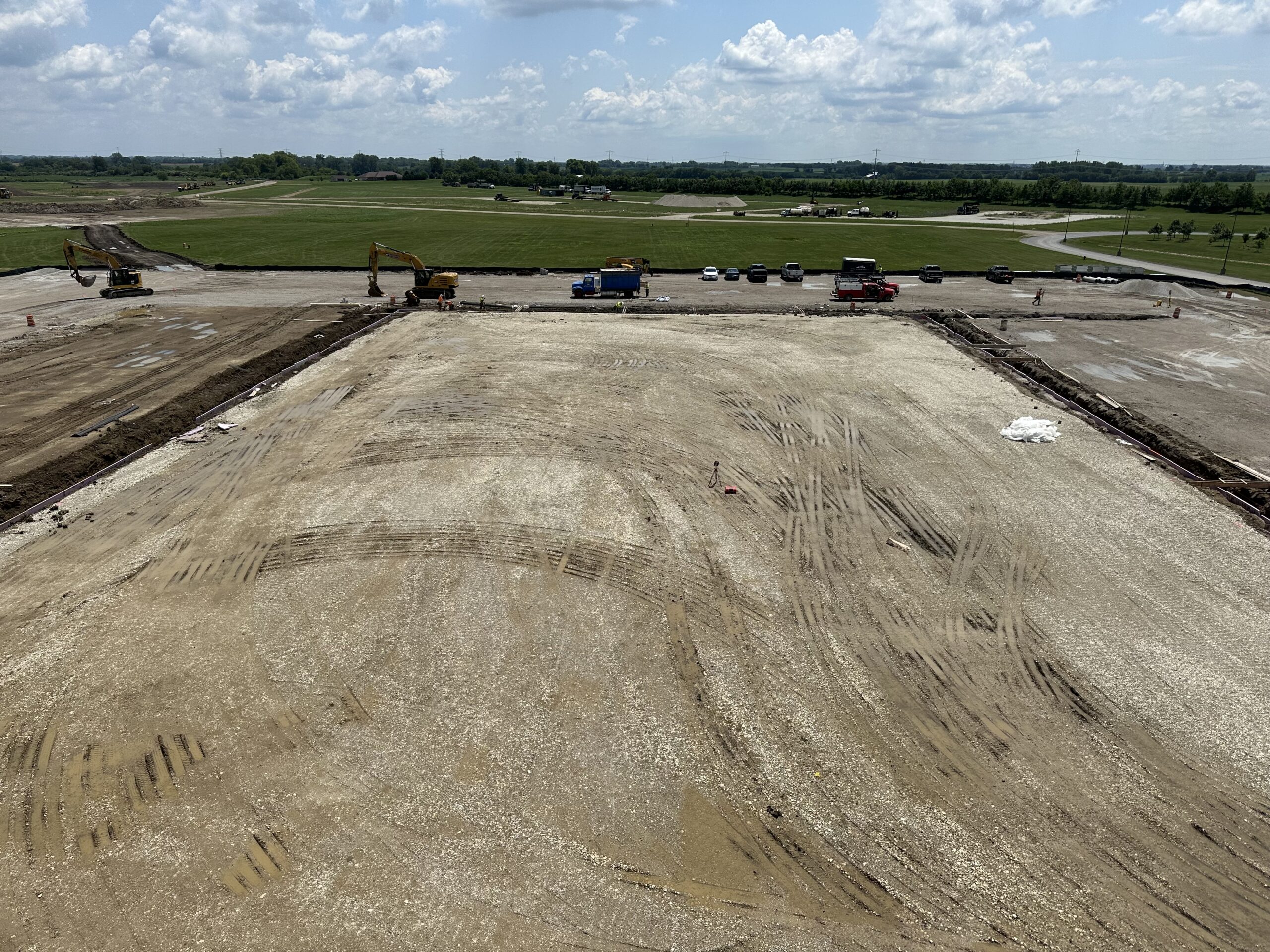
July 2024 – Exterior wall foundations are set
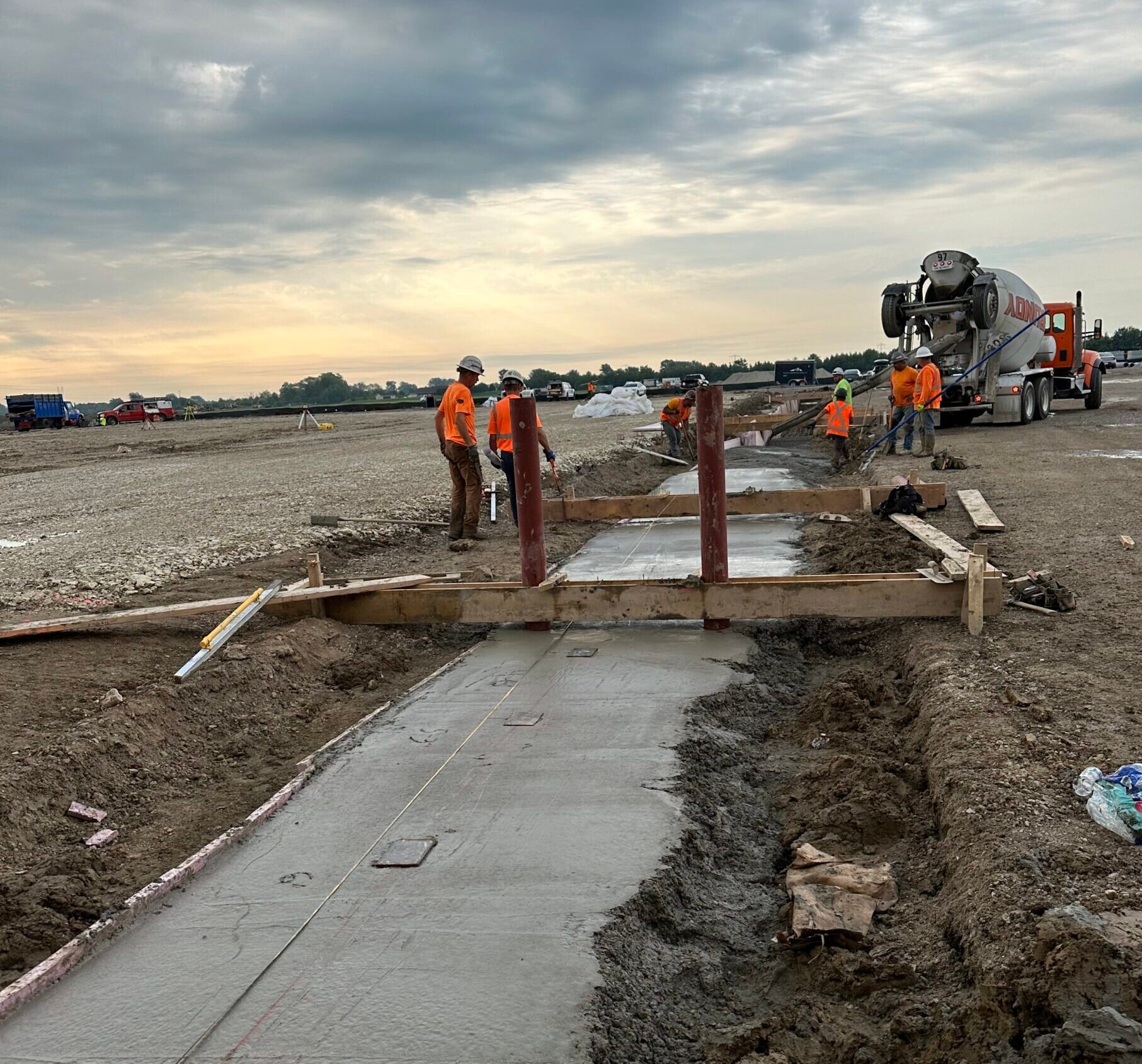
August 2024 – Exterior walls are set in place
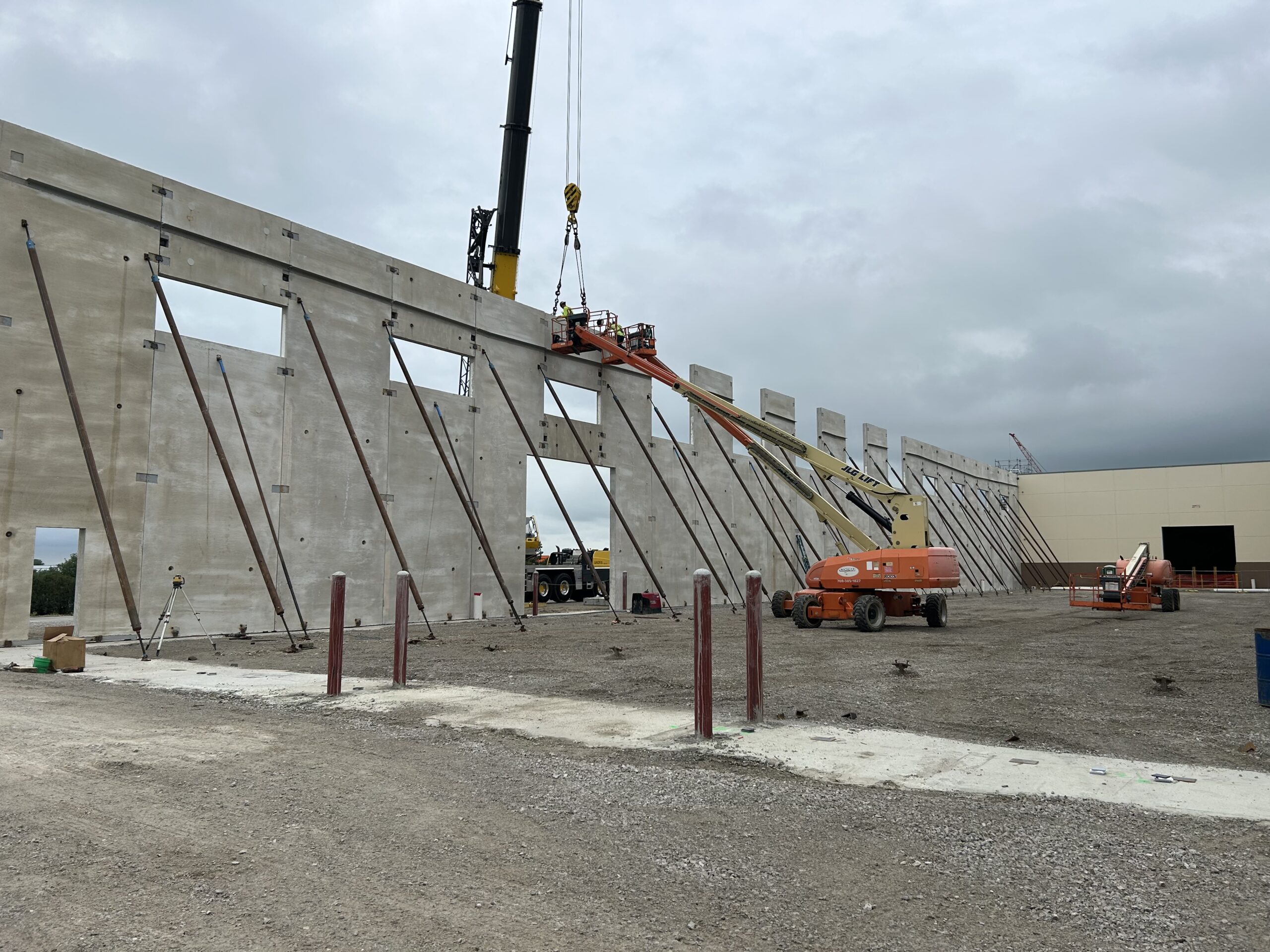
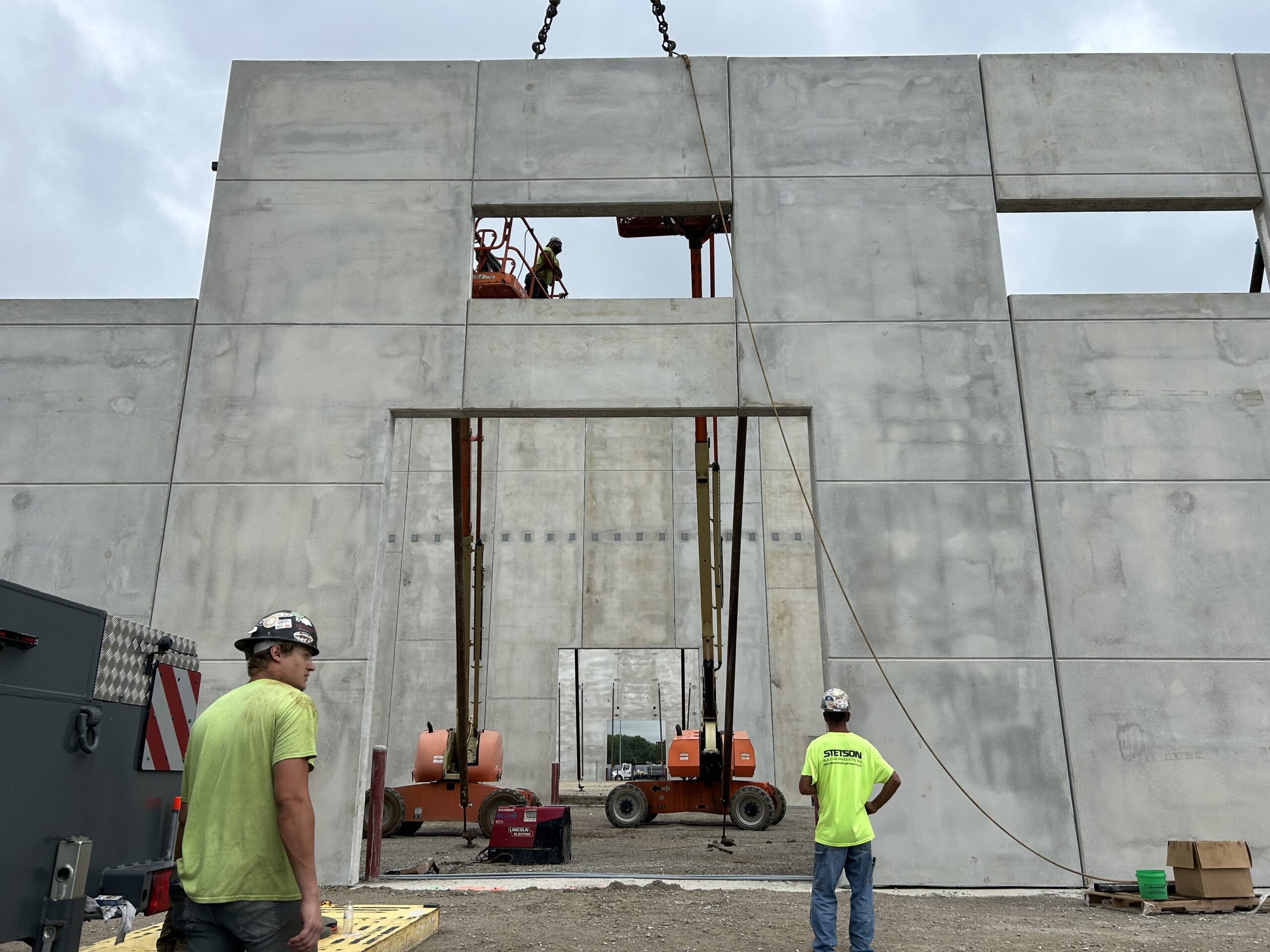
2025 – Projected Completion Date
When the project is completed in 2025, the William E. Dugan Training Center will be the largest indoor training arena in the nation. The concept images of the completed arena are featured below.